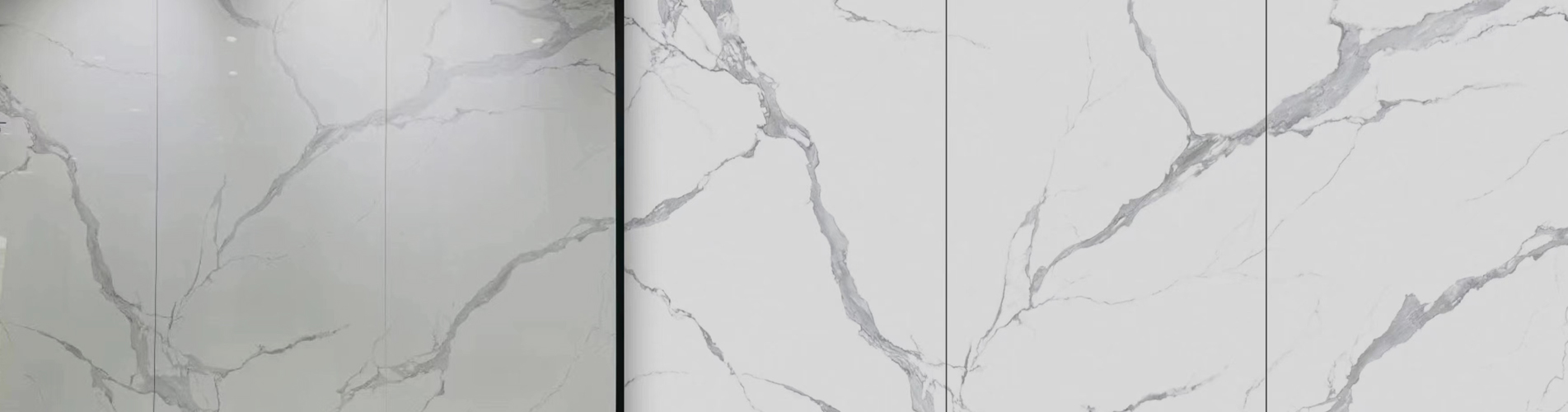
عند اختيار المادة المناسبة لمنزلك أو مساحتك التجارية، يتساءل العديد من المشترين: هل بلاط البورسلين أفضل من بلاط السيراميك؟ على الرغم من أن كلاهما ينتمي إلى نفس العائلة، إلا أنهما يختلفان اختلافًا واضحًا يمكن أن يؤثر بشكل كبير على الأداء والمتانة ونتائج التصميم.
تُصنع كل من بلاط البورسلين والسيراميك من الطين وتُحرق في فرن. ومع ذلك، بلاط البورسلين يُصنع هذا المنتج باستخدام طين أكثر دقة ويُحرق في درجات حرارة أعلى. هذه العملية تجعله أكثر كثافة، وأقل مسامية، وأكثر متانة مقارنةً بـ بلاط سيراميك.
بسبب هذه الاختلافات، بلاط أرضيات من البورسلين غالباً ما يعتبر خياراً متميزاً، خاصة بالنسبة للمشاريع التي تتطلب قوة وأداءً طويل الأمد.
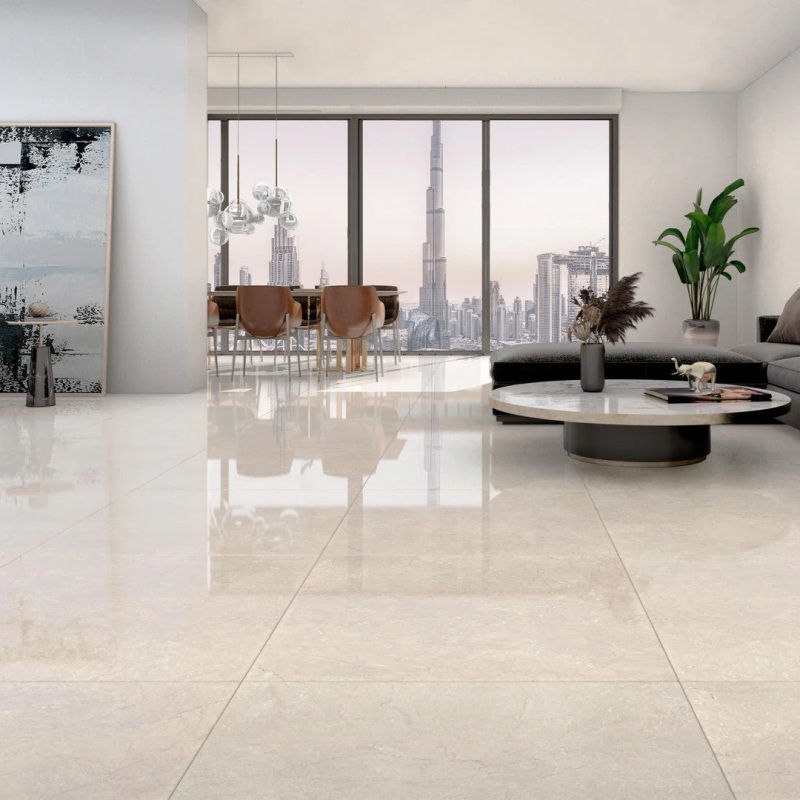
من أهم مزايا البورسلين متانته الفائقة. فبلاط البورسلين عالي المتانة مقاوم للتآكل والخدوش والأحمال الثقيلة، مما يجعله مثالياً للاستخدامات السكنية والتجارية على حد سواء.
على النقيض من ذلك، فإن بلاط السيراميك أكثر ليونة ومسامية. ورغم أنه لا يزال يؤدي وظيفته بشكل جيد في العديد من البيئات الداخلية، إلا أنه قد لا يضاهي متانة بلاط الأرضيات المصنوع من البورسلين عالي التحمل.
بالنسبة للمناطق ذات الحركة المرورية العالية مثل مراكز التسوق والفنادق والمكاتب، عادة ما يكون بلاط البورسلين التجاري هو الخيار المفضل.
تتميز بلاطات البورسلين بمعدل امتصاص منخفض للغاية للماء. وهذا ما يجعلها خياراً ممتازاً للأماكن المعرضة للرطوبة مثل الحمامات والمطابخ وغرف الغسيل.
يمكن للبلاط الخزفي أيضًا مقاومة الرطوبة، ولكنه يكون أكثر مسامية بشكل عام ما لم يكن مزججًا. لذلك، ولحماية طويلة الأمد، يفضل العديد من المشترين بلاط منخفض الامتصاص للماء مصنوع من الخزف.
الصيانة سهلة لكلا النوعين. ومع ذلك، فإن كثافة البورسلين تجعله أكثر مقاومة للبقع، مما يقلل الحاجة إلى التنظيف المتكرر.
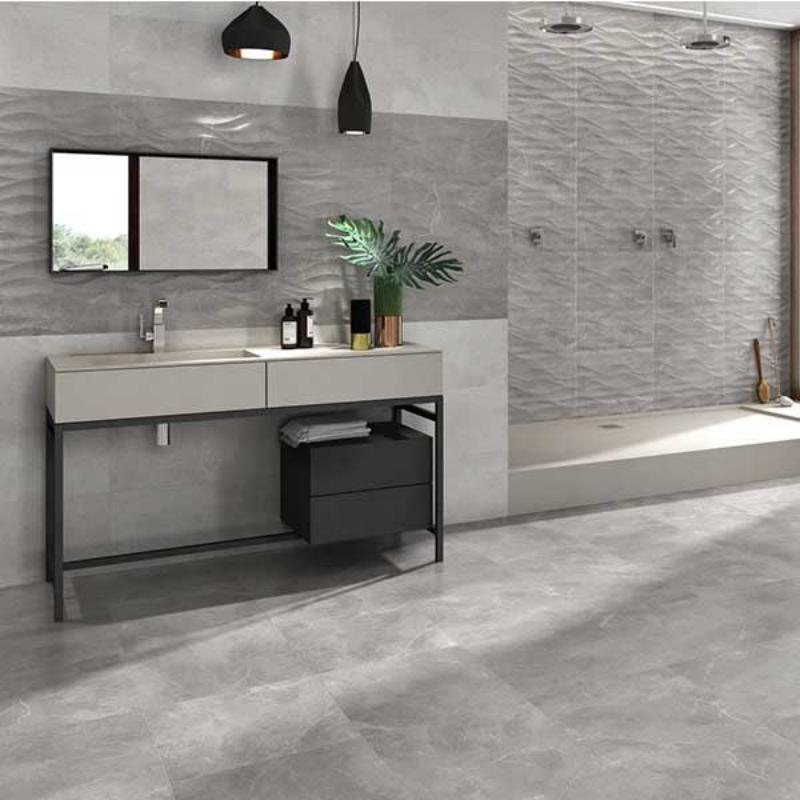
تُقدم كل من بلاط البورسلين والسيراميك تشكيلة واسعة من التصاميم. تسمح عمليات التصنيع الحديثة للبورسلين بمحاكاة المواد الطبيعية مثل الحجر والرخام والخشب. وهذا ما يجعل تحظى بلاطات البورسلين ذات مظهر الرخام وبلاطات البورسلين ذات مظهر الحجر بشعبية كبيرة في التصميم الداخلي.
بلاط سيراميك كما أنها تأتي بألوان وأنماط عديدة، لكن الخزف غالباً ما يوفر تشطيبات أكثر تطوراً وقواماً واقعياً.
إذا كنت تسعى للحصول على مظهر راقٍ، فإن بلاط البورسلين الفاخر غالباً ما يكون الخيار الأفضل.
بشكل عام، تُعدّ بلاطات السيراميك أقل تكلفة من بلاطات البورسلين. وهذا ما يجعل السيراميك خياراً مناسباً للمشاريع ذات الميزانية المحدودة أو المناطق قليلة الاستخدام.
مع ذلك، ورغم أن تكلفة البورسلين الأولية قد تكون أعلى، إلا أن متانته وطول عمره يوفران قيمة أفضل على المدى البعيد. وللاستثمارات طويلة الأجل، يزداد الإقبال على بلاط البورسلين ذي الأسعار المعقولة من المصنع في الأسواق العالمية.
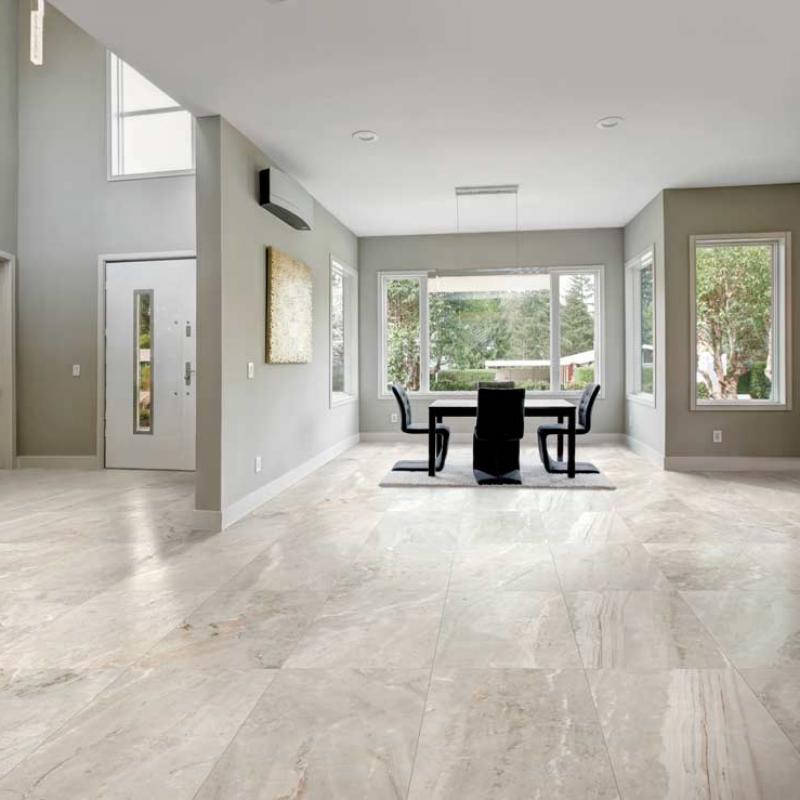
تتميز بلاطات البورسلين بكثافتها وصلابتها، مما يجعل قصها وتركيبها أكثر صعوبة. لذا يُنصح عادةً بالاستعانة بفني متخصص لضمان أفضل النتائج.
تتميز بلاطات السيراميك بسهولة التعامل معها، مما يجعلها أكثر ملاءمة للمشاريع المنزلية. ومع ذلك، يُنصح بالاستعانة بفني متخصص لتركيب البلاط في المشاريع الكبيرة أو الفاخرة، بغض النظر عن نوع البلاطة.
إذن، هل بلاط البورسلين أفضل من بلاط السيراميك؟ يعتمد الجواب على احتياجاتك الخاصة.
إذا كنت تُعطي الأولوية للمتانة ومقاومة الماء والتشطيب الفاخر، فإن البورسلين هو الخيار الأمثل. فهو مثالي للمناطق ذات الحركة الكثيفة والاستخدام طويل الأمد.
من ناحية أخرى، إذا كنت تعمل بميزانية محدودة أو تركز على المساحات الداخلية ذات الحركة المرورية المنخفضة، فلا يزال بإمكان بلاط السيراميك أن يكون حلاً عمليًا وفعالًا من حيث التكلفة.
في نهاية المطاف، لكلتا المادتين مزاياها، ولكن بالنسبة للمشاريع التي تركز على الأداء، لا تزال أفضل أنواع بلاط البورسلين للأرضيات تتصدر السوق.









 IPv6 دعم الشبكة