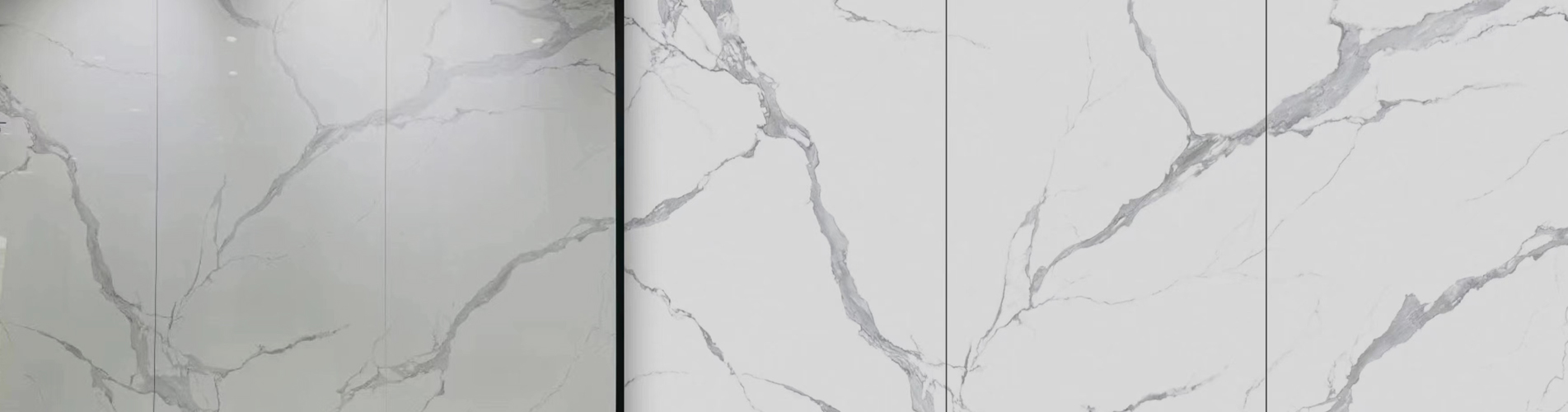
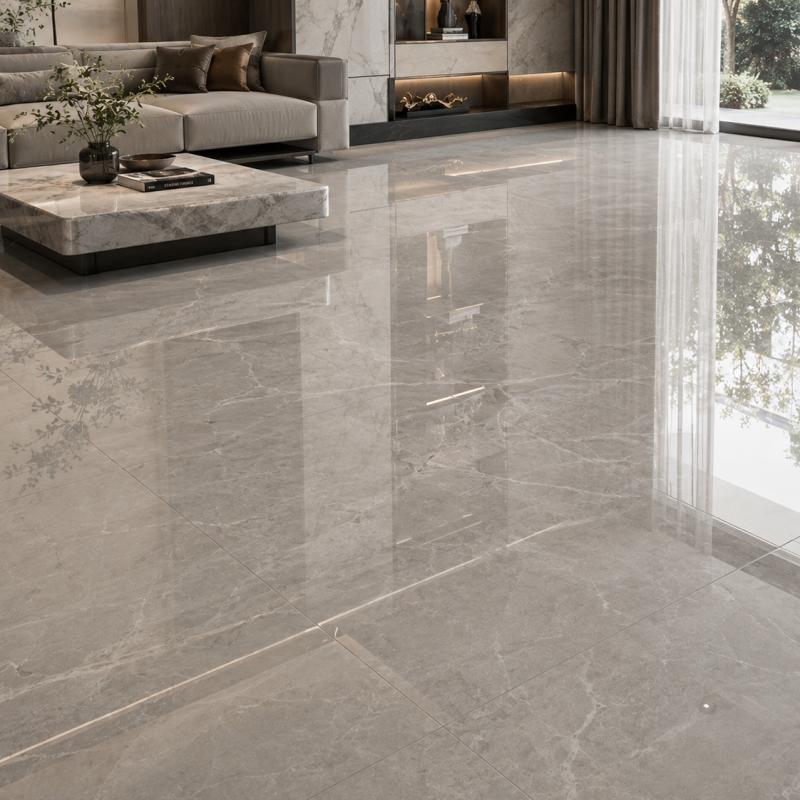
عند اختيار البلاط لمشروع تصميم داخلي، يركز المصممون عادةً على اللون والنمط والحجم والمادة. ومع ذلك، فإن تشطيب السطح لا يقل أهمية. إذ يمكن لتصميم البلاط نفسه أن يخلق أجواءً مختلفة تمامًا اعتمادًا على ما إذا كان سطحه مطفيًا أو لامعًا أو مصقولًا أو خشنًا أو ذا ملمس مميز.تؤثر تشطيبات البلاط على كيفية انعكاس الضوء، وظهور الألوان، والشعور باتساع الغرفة، وكيفية تناغم المواد المختلفة. يساعد فهم هذه التأثيرات المهندسين المعماريين، ومصممي الديكور الداخلي، والمقاولين، وأصحاب المنازل على اختيار البلاط المناسب لكل مساحة. ما هي تشطيبات أسطح البلاط؟تُعدّ معالجة سطح البلاط هي المعالجة النهائية التي تُطبّق على السطح المرئي للبلاطة. تشمل التشطيبات الشائعة الأسطح غير اللامعة، واللامعة، والمصقولة، واللامعة ذات الملمس الخشن، والأسطح ذات الملمس البارز. يتفاعل كل نوع منها مع الضوء والمواد المحيطة به بطريقة مختلفة.فعلى سبيل المثال، تُضفي الأسطح غير اللامعة مظهراً ناعماً وبسيطاً، بينما تعكس الأسطح اللامعة المزيد من الضوء وتجعل الألوان تبدو أكثر إشراقاً. أما الأسطح المصقولة فتُضفي مظهراً أنيقاً وراقياً، في حين تُضيف التشطيبات ذات الملمس الخشن عمقاً وجاذبيةً ملموسة.هذه الخصائص تجعل تشطيب السطح عاملاً مهماً عند الاختيار. بلاط سيراميك أو بلاط البورسلين للاستخدام الداخلي في المساكن والمباني التجارية. تشطيبات غير لامعة لإضفاء أجواء هادئة وطبيعية على التصميمات الداخليةتُستخدم التشطيبات غير اللامعة على نطاق واسع في التصميم الداخلي المعاصر لأنها تخلق مظهرًا ناعمًا ومريحًا. يمتص بلاط البورسلين الضوء وينشره بدلاً من إنتاج انعكاسات قوية، مما يجعل المساحة العامة تبدو أكثر طبيعية.تتناسب هذه اللمسة النهائية بشكل خاص مع أنماط الديكور الداخلي البسيطة، والإسكندنافية، والحديثة، والعضوية. كما أن الألوان المحايدة مثل البيج، والرمادي الفاتح، والكريمي، والأبيض الدافئ تبدو مريحة للغاية مع سطح غير لامع.تُعدّ التشطيبات غير اللامعة فعّالة أيضاً في تصميمات تُحاكي مظهر الحجر والخرسانة والخشب. فبدون انعكاسات قوية، يبدو النمط المطبوع أكثر طبيعية وأقرب إلى خصائص المادة الأصلية.على سبيل المثال، اللون البيج بلاط أرضيات من البورسلين يمكن للتشطيب غير اللامع أن يخلق مظهر الحجر الطبيعي مع الحفاظ على جمالية نظيفة وعصرية.ومن المزايا العملية الأخرى أن بصمات الأصابع الطفيفة والبقع والآثار اليومية تكون أقل وضوحًا على الأسطح غير اللامعة. وهذا يجعلها مناسبة لغرف المعيشة والمطابخ والممرات وغيرها من الأماكن التي يكثر استخدامها. اللمسات النهائية اللامعة تجعل المساحات أكثر إشراقاًتتميز البلاطات اللامعة بسطح عاكس للغاية يعكس الضوء في أرجاء الغرفة، مما يجعلها مفيدة عندما يرغب المصممون في خلق تأثير بصري أكثر إشراقًا وانفتاحًا.أبيض بلاط لامع يمكن أن يكون فعالاً بشكل خاص في الحمامات والمطابخ. عند دمجه مع المرايا والزجاج والأثاث ذي الألوان الفاتحة، يمكن لسطحه العاكس أن يجعل الغرفة الصغيرة تبدو أكثر اتساعاً.يمكن للتشطيبات اللامعة أن تعزز الأنماط الزخرفية. قد تبدو عروق الرخام والتصاميم الهندسية والأسطح الملونة أكثر حيوية لأن الانعكاس يضيف عمقًا بصريًا.مع ذلك، تُظهر الأسطح اللامعة بصمات الأصابع وبقع الماء وغيرها من العلامات بسهولة أكبر. لهذا السبب، غالبًا ما تُستخدم بشكل انتقائي بدلًا من استخدامها على جميع الأسطح. يمكن لجدار لامع أو لوحة خلفية لامعة أن تُضفي لمسة جمالية مميزة دون الحاجة إلى كمية كبيرة من الأرضيات العاكسة للضوء. تضفي اللمسات النهائية المصقولة مظهراً فاخراًغالباً ما ترتبط البلاطات المصقولة بالتصميمات الداخلية الأنيقة والراقية. فسطحها الأملس يخلق انعكاسات أقوى ويمكنه إبراز عمق الأنماط المستوحاة من الحجر والرخام.A بلاط ذو مظهر رخامي يمكن أن تجعل اللمسة النهائية المصقولة العروق تبدو أكثر بروزًا وجاذبية. ويُستخدم هذا المزيج بكثرة في غرف المعيشة، وردهات الفنادق، والحمامات الفاخرة، ومناطق الاستقبال، وغيرها من الأماكن البارزة.تساهم بلاطات البورسلين المصقولة أيضاً في إضفاء إحساس بالتناسق البصري. فعند تركيب البلاطات الكبيرة بفواصل ضيقة بين البلاطات، يمكن أن يؤدي انخفاض عدد الفواصل إلى جعل الأرضية أو الجدار يبدو أكثر اتساعاً.مع ذلك، لا ينبغي أن يكون المظهر هو الاعتبار الوحيد. بالنسبة للأرضيات المعرضة للرطوبة أو حركة المرور الكثيفة، يجب دائمًا تقييم الخصائص التقنية للمنتج لتحديد ما إذا كانت اللمسة النهائية المختارة مناسبة للاستخدام. تضيف التشطيبات المزخرفة عمقًا.على عكس الأسطح الملساء غير اللامعة أو اللامعة، تُضفي التشطيبات ذات الملمس الخشن عمقًا ملموسًا على البلاط. ويمكنها محاكاة مظهر الحجر الطبيعي أو الخشب أو الخرسانة أو القماش أو الأسطح المصنوعة يدويًا.على سبيل المثال، يمكن لبلاط البورسلين ذي المظهر الخشبي أن يجمع بين مظهر حبيبات الخشب الواقعي والمتانة والعملية المتوقعة من البورسلين. إنه خيار جذاب للتصميمات الداخلية التي يرغب فيها المصممون في الحصول على دفء الخشب دون استخدام الأخشاب الطبيعية في جميع أنحاء المكان.تُعدّ البلاطات ذات الملمس الخشن مفيدة أيضاً في تصميم الجدران المميزة. فبدلاً من الاعتماد على الألوان القوية أو الأنماط المعقدة، يمكن للمصممين استخدام الملمس الخشن كعنصر زخرفي رئيسي.تتناغم الخامات الرقيقة بشكل خاص مع الألوان المحايدة. فالألوان البيج والرمادي الداكن والرمادي الدافئ والألوان الترابية تُضفي مظهراً أنيقاً مع الحفاظ على الطابع البصري الطبيعي. توازن بين اللمسات النهائية غير اللامعة واللامعة من لاباتوتُضفي تشطيبات لابّاتو مظهراً وسيطاً بين الأسطح غير اللامعة والأسطح شديدة اللمعان. وعادةً ما يكون لها تأثير تلميع جزئي يُنتج انعكاسات مُتحكَّم بها دون أن يُعطي مظهراً قوياً يشبه المرآة.وهذا يجعل بلاط لاباتو مناسبًا للتصميمات الداخلية المعاصرة حيث يرغب المصممون في الحصول على سطح مصقول بدون لمعان مفرط.تتناغم تشطيبات لاباتو بشكل خاص مع الأنماط المستوحاة من الحجر والرخام. إذ يُبرز الانعكاس المُتحكم به التباينات في التصميم مع الحفاظ على مظهر عام ناعم نسبياً.بالنسبة للمشاريع التي تتطلب تنوعًا بصريًا أكبر دون تباين كبير، يمكن أن يكون استخدام تقنية لاباتو خيارًا فعالًا. يمكن أن تُغير تشطيبات الأسطح الحجم المُتصوَّر للغرفةيمكن أن يؤثر تشطيب البلاط على كيفية إدراك الناس لأبعاد المساحات الداخلية. فالأسطح العاكسة توزع الضوء وتخلق شعوراً أكبر بالاتساع، ولذلك يُفضل استخدام بلاط الجدران اللامع في الغرف الصغيرة.تُقلل التشطيبات غير اللامعة من انعكاس الضوء، مما يُضفي على المساحات الكبيرة شعوراً بالدفء والاتساع. وهذا يُعدّ ميزةً في غرف المعيشة الفسيحة، وغرف النوم، والتصاميم الداخلية المفتوحة.يؤثر حجم البلاط أيضاً على تشطيب السطح. فالبلاط الخزفي كبير الحجم يقلل من عدد فواصل الترويب ويخلق مظهراً أكثر تناسقاً. وعند دمج حجم كبير مع تشطيب مناسب، تبدو الجدران والأرضيات أنظف وأكثر اتساعاً. يؤثر تشطيب السطح على اللونقد يبدو اللون نفسه مختلفًا بشكل ملحوظ اعتمادًا على نوع سطحه.فعلى سبيل المثال، قد تبدو البلاطات البيضاء اللامعة أكثر إشراقاً لأن أسطحها تعكس الضوء المحيط. أما البلاطات البيضاء غير اللامعة، فتتميز عموماً بمظهر أكثر نعومة وهدوءاً.قد يكون الفرق أكثر وضوحاً مع الألوان الداكنة. فالسطح الأسود المصقول يُضفي لمسة فخمة وجذابة، بينما يُعطي السطح الأسود غير اللامع إحساساً بالحداثة والطابع المعماري.لذا، ينبغي مراعاة الإضاءة عند اختيار تشطيبات البلاط. فالإضاءة الطبيعية، والإضاءة الدافئة، وإضاءة LED الباردة، كلها تُنتج تأثيرات بصرية مختلفة. وغالبًا ما تكون معاينة عينات فعلية تحت ظروف الإضاءة الفعلية للمشروع هي أفضل طريقة لتقييم المظهر النهائي. اختيار التشطيبات المناسبة لمختلف المساحات الداخليةتختلف متطلبات التصميم باختلاف الغرف.في غرف المعيشة، تُضفي التشطيبات غير اللامعة والطبيعية أجواءً مريحة. كما تُكمّل بلاطات الأرضيات ذات المظهر الحجري والخرساني والخشب الأثاث العصري مع الحفاظ على مظهر متناسق.تتطلب الحمامات مزيجًا من الجمال البصري والأداء التقني المناسب. يمكن أن تساعد بلاطات الجدران اللامعة على عكس الضوء، بينما يمكن النظر في استخدام بلاطات غير لامعة أو ذات ملمس مناسب للأرضيات حسب مواصفات المنتج ومتطلبات التركيب.في المطابخ، تضفي الأسطح غير اللامعة مظهراً عصرياً وتخفي آثار الاستخدام اليومي. أما البلاط اللامع، فيمكن استخدامه بفعالية كجدار خلفي أو جدار مميز.تتطلب المساحات التجارية عناية إضافية. فالفنادق والمطاعم والمكاتب ومتاجر البيع بالتجزئة غالباً ما تحتاج إلى أسطح تتناسب مع هوية العلامة التجارية مع تلبية المتطلبات العملية المتعلقة بحركة المرور والتنظيف والصيانة. الجمع بين التشطيبات المختلفةليس من الضروري دائمًا استخدام نوع واحد فقط من التشطيبات السطحية في جميع أنحاء التصميم الداخلي. فدمج التشطيبات يمكن أن يخلق تباينًا وتسلسلًا بصريًا.على سبيل المثال، يمكن تنسيق بلاط الأرضيات غير اللامع مع بلاط الجدران اللامع. ويُضفي التباين بين الأسطح الناعمة والعاكسة عمقًا دون الحاجة إلى ألوان إضافية.ثمة نهج آخر يتمثل في استخدام جدار مميز ذي ملمس بارز مع بلاط محيط أملس. يصبح السطح ذو الملمس البارز هو النقطة المحورية، بينما تحافظ الأسطح الأبسط على التوازن البصري.يكمن السر في التحكم بالتباين. فالإفراط في استخدام الأسطح اللامعة قد يجعل التصميم الداخلي يبدو مزدحماً بصرياً، بينما قد يؤدي استخدام الأسطح غير اللامعة فقط إلى نقص التنوع. ويمنح الجمع بين التشطيبات المصممين تحكماً أكبر في الإضاءة والملمس والأجواء. كيف تختار التشطيب المناسب؟يعتمد اختيار التشطيب المناسب للبلاط على عدة عوامل، بما في ذلك الإضاءة وحجم الغرفة والتطبيق والصيانة والأسلوب الداخلي.أولاً، ضع في اعتبارك الإضاءة المتاحة. قد تستفيد الغرف المظلمة من الأسطح العاكسة، بينما يمكن للغرف المضيئة أن تتناسب مع التشطيبات غير اللامعة الأكثر نعومة.ثانيًا، ضع في اعتبارك حجم المساحة. توفر الغرف الكبيرة فرصًا أكبر لاستخدام الألوان الداكنة والقوام القوي والأحجام الأكبر، بينما قد تستفيد الغرف الأصغر من الألوان الفاتحة والانعكاسات التي يتم التحكم فيها بعناية.ثالثًا، ضع في اعتبارك التطبيق. قد يكون لتركيبات الأرضيات والجدران متطلبات مختلفة، لا سيما في الحمامات والمطابخ والمناطق التجارية وغيرها من البيئات الصعبة.وأخيرًا، ضع في اعتبارك أسلوب التصميم العام. غالبًا ما تتناغم الأسطح غير اللامعة مع التصميمات الداخلية البسيطة والطبيعية، بينما يمكن للأسطح اللامعة والمصقولة أن تخلق جوًا أكثر فخامة أو روعة. خاتمةإن تشطيب سطح البلاط ليس مجرد تفصيل زخرفي، بل يؤثر على انعكاس الضوء، وإدراك الألوان، والعمق البصري، ونسب الغرفة، والجو العام للمكان.تُضفي التشطيبات غير اللامعة أجواءً هادئة وطبيعية، بينما تُعزز التشطيبات اللامعة السطوع، وتُضفي الأسطح المصقولة مظهراً راقياً، وتُضفي التشطيبات المزخرفة عمقاً، أما تشطيبات لاباتو فتُوفر توازناً بين النعومة والانعكاس.يعتمد الاختيار الأمثل على العلاقة بين البلاط والإضاءة ووظيفة الغرفة والمواد المحيطة. من خلال مراعاة تشطيب السطح إلى جانب اللون والحجم والنمط والتطبيق، يستطيع المصممون ابتكار تصميمات داخلية تجمع بين الجمال والعملية.مع استمرار تطور تكنولوجيا تصنيع البلاط الحديثة، بات بإمكان بلاط السيراميك والبورسلين محاكاة الأحجار الطبيعية والخشب والخرسانة وغيرها من المواد بملمس واقعي متزايد. وهذا يمنح المصممين حرية أكبر في ابتكار تصاميم داخلية مميزة مع الحفاظ على المتانة والعملية المتوقعة من أسطح البلاط الحديثة.
 كيف تؤثر تشطيبات أسطح البلاط على التصميم الداخلي؟









 IPv6 دعم الشبكة